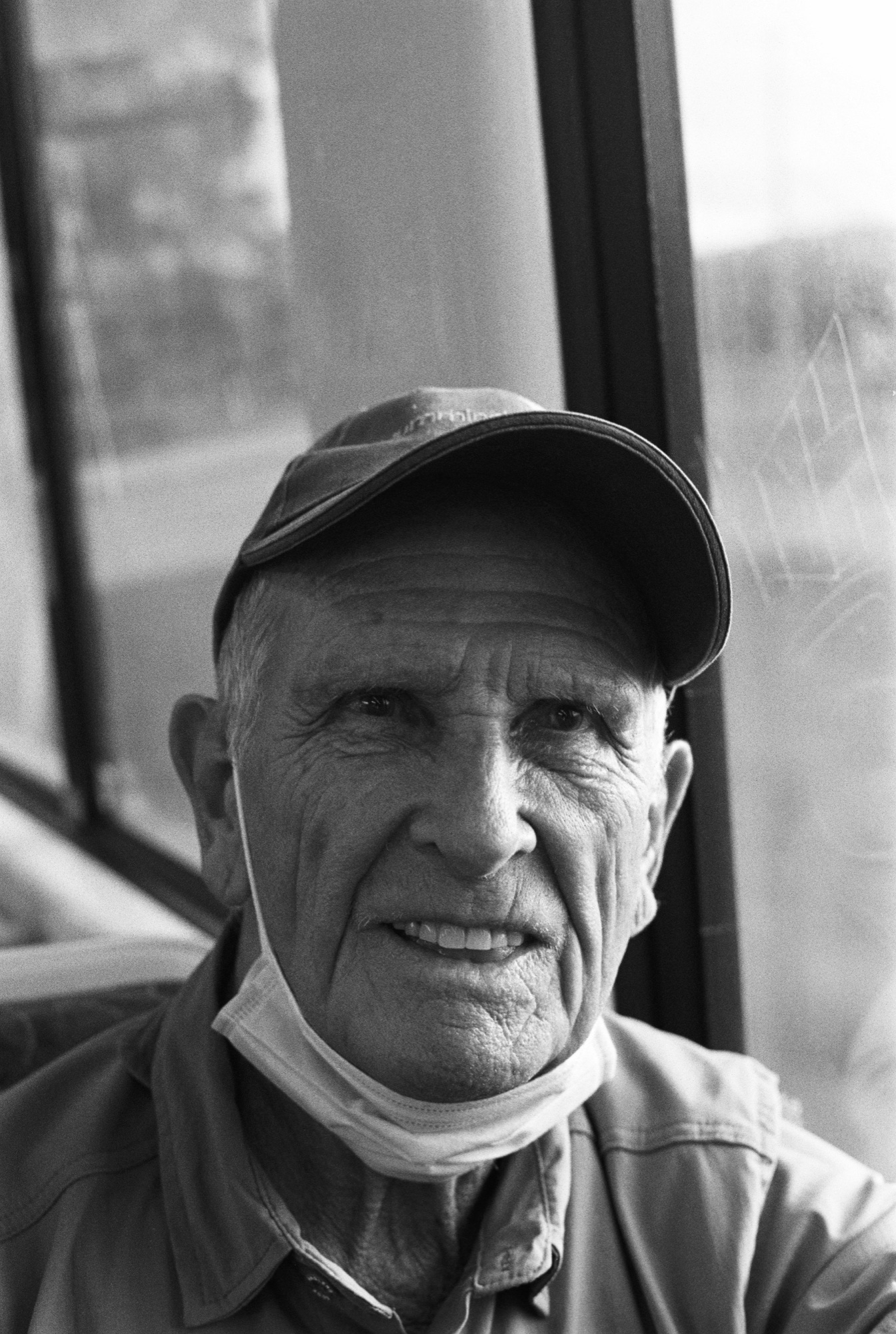
A relative of mine, a man in his sixties on a rural property, went into his local clinic for a scheduled chest X-ray review. Routine. On his way out the door, almost as an afterthought, he mentioned he had been having “a bit of trouble” with a hernia.
The doctor, internationally trained and thorough, had no particular reason to stop. The patient was calm. The patient was already leaving. The patient had described “a bit” of pain. The consultation was all but finished.
Something made the doctor take a look anyway. What he found was an inguinal hernia so large and so advanced that it needed urgent attention, the kind of thing you do not send home. He was visibly shocked. The man in front of him had been sitting on a surgical problem and describing it like a stiff knee.
Here is what nearly went wrong, and it had nothing to do with clinical skill. The doctor did not yet understand a particular piece of Australian culture: the rural bloke who will not make a fuss, who understates pain as a point of pride, who mentions the serious thing last and quietly so as not to be a bother. Read that man’s “bit of trouble” through a different cultural script and you send him home. Read it correctly and you catch it.
No diversity training module would have closed that gap. Understanding rural Australian understatement, and treating it as a matter of patient safety, would have.
That is the whole argument of this piece, so let me put it plainly. Australian healthcare has spent years investing in diversity, equity and inclusion training, and it is the wrong tool for the job in front of us. Not a bad-hearted tool. The wrong one. What our teams actually need is a safety and communication frame, built for the realities of care in this country.
Why DEI training is failing in Australian healthcare
Ask HR leaders off the record and most will tell you the same thing. Completion rates are high. Behaviour change is low. The incidents keep coming. The training gets done and the floor stays the same. There are four reasons for that, and they are structural, not a failure of effort.
It treats culture as a values topic when in care it is a clinical risk. Most DEI training lives in the territory of values: respect difference, check your bias, be inclusive. All worthy. But on a ward, culture is not mainly a values question. It is a safety question. Whether a patient understates pain, whether a family expects to speak as a group, whether a nurse will challenge a senior doctor, these are not matters of attitude. They change what gets escalated, what gets consented to, and what gets missed. My relative’s hernia was a clinical risk wearing the costume of a values topic. Train people in values and you leave the risk untouched.
It is a one-off when the work is daily. The standard format is an annual session or an online module. You complete it, you tick the box, you move on. But catching your own assumptions in the moment is not knowledge you acquire once. It is a practice you build, like hand hygiene or a clean handover. You get better at it by doing it daily, with feedback, in real situations. A single session cannot install a habit. It was never going to.
It is imported from a US corporate model that does not fit our territory. DEI as we know it was built largely in and for American corporate workplaces, shaped by American history and American legal categories. Australian healthcare is a different country, literally. We carry an Aboriginal and Torres Strait Islander health tradition that gave the term cultural safety its meaning. We care for one of the most multicultural patient populations on earth. We run our hospitals and aged care on a heavily migrant workforce. A frame designed for an American HR department does not map cleanly onto any of that.
It centres the organisation, not the patient. Look at why the training usually exists. It protects the organisation: its compliance position, its reputation, its risk register. Those are real concerns, but they are the organisation’s concerns. They are not the patient’s experience of whether their care was safe and understood. When the point of cultural training is to be able to say you did it, you optimise for completion, not for the person in the bed.
DEI training measures completion. The patient measures whether their care was safe. We have been measuring the wrong thing for a long time.
What works instead: a safety and communication frame
If the values frame is the problem, the fix is to treat cultural understanding as part of clinical safety and practical communication, where it belongs. Three pieces do the work.
Cultural safety, as a safety issue. Cultural safety is not a softer word for being nice. It is the patient’s judgement that their care was safe for them, and it belongs alongside every other safety standard we hold. Framed this way it stops being a values aspiration and becomes a clinical expectation with consequences, the same as medication safety or falls prevention.
Cultural humility, as a daily posture. Cultural humility is the habit of assuming you might be missing something, and checking. Not a certificate on the wall. A posture you bring to every interaction, especially the ones that feel obvious. The doctor who paused on “a bit of trouble” because some instinct told him his read might not be the whole story was practising it, even without the language for it.
Communication for safety, as the practical tool. This is where it becomes concrete. Communication for safety is the set of skills that actually catches the error: teach-back to confirm a patient truly understood, structured handover, the confidence to escalate across a hierarchy. It is the difference between assuming the message landed and checking that it did.
Picture a discharge conversation with a patient whose first language is not English. The DEI-trained clinician knows, in principle, to be culturally aware. They are warm and respectful, they hand over the printed instructions, the patient nods, everyone parts on good terms. The nod gets read as understanding. The clinician working from the safety and communication frame does something different. They ask the patient to explain the plan back in their own words, and they discover the patient has agreed to a medication schedule they were never going to follow, because the nodding was politeness, not comprehension. Same goodwill in both rooms. Only one of them caught the problem before it walked out the door.
An Australian problem with an Australian answer
This matters here for reasons that are specific to Australia. We are not an American workplace with a diversity policy to satisfy. We are a health system caring for an extraordinarily multicultural population, staffed in large part by clinicians who trained overseas, on land with a living Aboriginal and Torres Strait Islander health tradition that named cultural safety before the corporate world borrowed the language.
The cross-cultural work runs in every direction at once. Internationally trained staff learning Australian norms. Australian-born staff learning to read colleagues and patients who do not share theirs. All of them caring for each other’s communities. That understanding has to run both ways, as my relative’s quiet “bit of trouble” shows: the gap that nearly cost him was the gap between his culture and his doctor’s, and closing it was a clinical task. The American DEI frame was not built for this. A safety and communication frame, grounded in how care actually happens here, is.
What HR leaders can do tomorrow
None of this requires a new budget line. It requires pointing the effort you already make at the right target. Five places to start:
- Measure outcomes, not completion. Stop counting who finished the module. Ask whether handovers, escalations and patient conversations actually changed. If you cannot tell, you are measuring the wrong thing.
- Move the money from one-off modules to ongoing practice. A single annual session cannot build a habit. Fund the reflective practice, debriefs and coaching that happen in the work, week after week.
- Train senior clinical leadership first. Culture follows the people with authority. If the consultants and the nurse unit managers do not model it, the frontline will not hold it. Start at the top, not the bottom.
- Replace DEI language with safety language in your strategy. Words set the frame. When cultural understanding lives in your safety and quality documents rather than your inclusion policy, people treat it as clinical, because it is.
- Ask your migrant workforce what they actually need. Not what an imported framework says they need. The clinicians who trained overseas can tell you exactly where the friction is, if you ask them and mean it.
A different starting point
Let me be fair to the work that came before. DEI training was a genuine attempt at a real problem, done by people who cared. This is not a claim that they were wrong to try. It is a claim that the frame has to evolve, because the one we borrowed was built for a different place and a different question.
My relative got lucky. A conscientious doctor stopped at the door when he had every reason to keep walking. We should not run a health system on luck. We should run it on teams who understand that culture is a safety variable, and who have the daily habits to catch it.
If that argument lands with you, I would like to talk. We do not have all the answers. We have a different starting point, and a fair bit of experience in where it leads. Have a coffee or a call with us, no pitch, just a conversation about what this could look like in your teams.