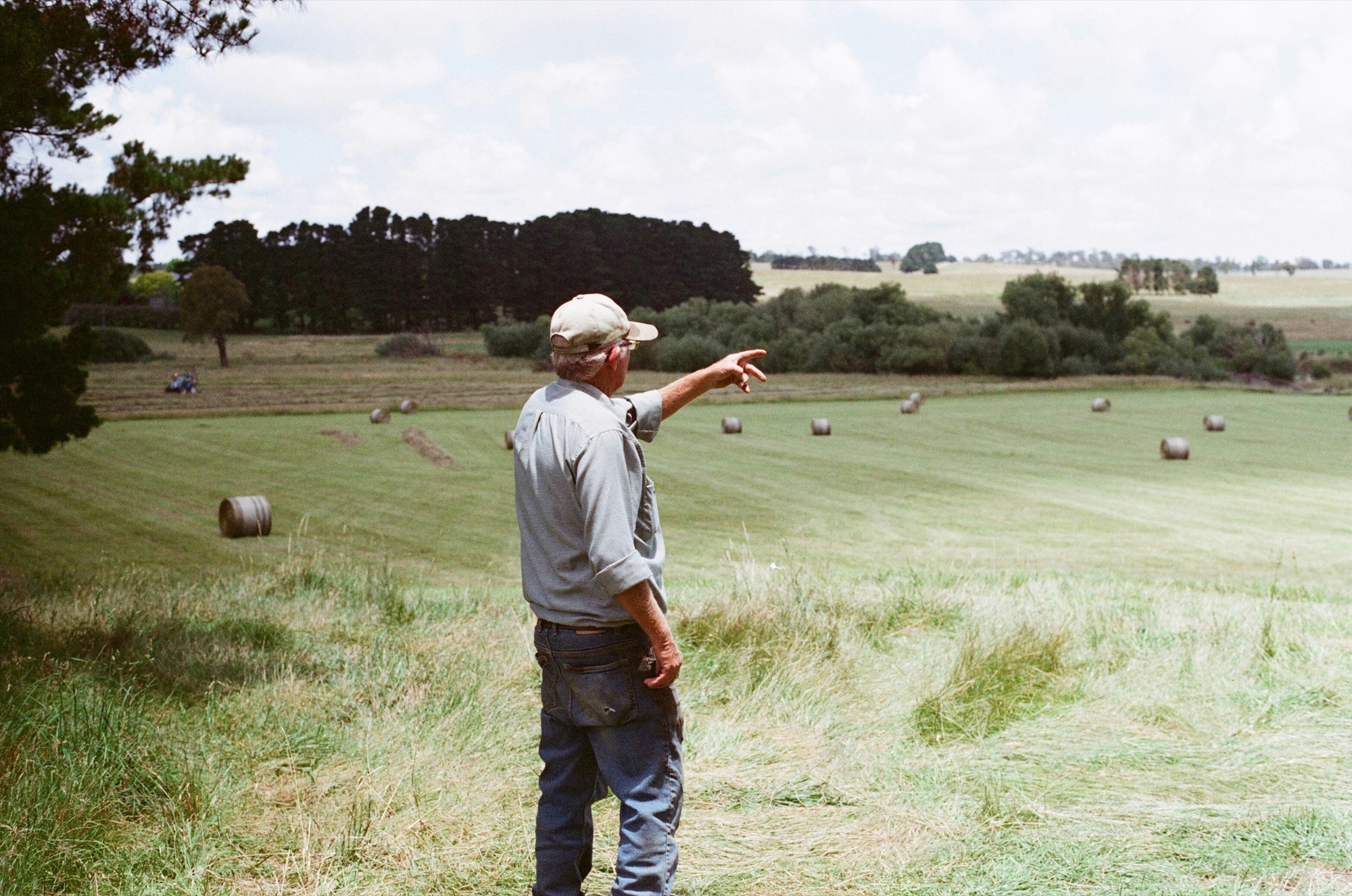
Australia contains many cultures, identities and ways of seeing the world. One of the most overlooked differences, particularly by newcomers, is the divide between city and country.
I grew up in rural Australia. Then I moved to the city, and eventually lived overseas for more than a decade. That journey gave me something I didn’t expect: the ability to see Australian cultural norms from the outside. Including the way rural and urban Australia are not just different geographically, but culturally. Different enough to reshape what happens between a clinician and a patient.
For an internationally trained clinician arriving here, understanding that distinction is not optional. It could be the difference between a practice that works, and one that quietly doesn’t.
In the city, trust is transactional
Patients come in with a specific problem. They expect a specific answer. The relationship is professional, relatively brief, and largely anonymous. If you trained in a large urban health system, whether in India, the Philippines, the UK or elsewhere, you will recognise this. It maps reasonably well onto what you already know.
In rural Australia, trust is built differently
Rural communities are built on long-term connection. People know each other’s surnames, family histories, land and livelihoods. The Jones family raises beef cattle. The Smiths are dairy farmers. The Browns have been in the timber industry for three generations. Identity is embedded in place and in relationship, in ways that city Australians rarely experience.
An outsider, whether from Sydney or South Asia, starts at a disadvantage. Friendliness is genuine and immediate. Acceptance is not. Trust, in a rural community, cannot be manufactured or rushed. It accumulates slowly, through consistent presence and genuine interest in the person in front of you.
I believe this is one of the most important things internationally trained clinicians can understand about rural Australian practice. The skills that built your career are not in question. But relationship is the currency here, and no amount of clinical competence accelerates it.
What this means in the consulting room
Rural Australian patients, particularly older men, will not always tell you why they’re really there.
Not because they’re being difficult. Because they have a deep cultural value around not making a fuss. They will often wait months before coming in, and when they do, they may understate their symptoms. When they list their concerns, don’t assume the first one is the main event. Often it isn’t.
Don’t miss this: in rural Australia, “not too bad” can mean quite unwell. “Feeling a bit ordinary” likewise. Learning to read beneath the understatement, and asking gentle follow-up questions rather than taking the first answer at face value, is a skill that takes time to develop. And it matters enormously in rural practice.
Trust in rural communities is earned through relationship, not credentials. A medical degree does not automatically buy you the right to know. That comes later. Reading the person in front of you rather than the average patient, and handing back some of the power in the room, is the heart of the principles of cultural safety.
The Compassion Gap
Rural patients are also reluctant to correct or embarrass a clinician they perceive as struggling. If a patient senses that their doctor is having difficulty understanding them, whether due to a language barrier, an unfamiliar accent, or a communication style that doesn’t quite land, many will simply let it go.
They won’t repeat themselves. They won’t clarify. They won’t say “I don’t think you understood me.” To do so would feel unkind, even cruel, toward someone they perceive as already working hard to bridge a gap.
Instead they will nod, leave, and quietly not return.
That is not rudeness. It is a deeply Australian social instinct, and it operates at the direct expense of their own healthcare.
Knowing the local network
Rural healthcare is not a system in the city sense.
Specialists may have long waitlists or not be taking new patients. Services that exist in theory may be hours away in practice. Referrals that work in a city hospital can leave a rural patient stranded.
Learning the local health network, who is actually available, what the real waitlists look like, which allied health services exist nearby, is not optional. It is part of practising safely in a rural context.
The opportunity
None of this is insurmountable.
Most internationally trained clinicians who work in rural Australia do, with time and genuine engagement, find their place. They become known. They earn trust. They are valued in ways that can be harder to experience in a large urban hospital. Rural communities need good clinicians, and they hold onto the ones who stay.
The adjustment period is the challenge. No amount of clinical training prepares you for it.
Clinical skills matter. But in rural Australia, relationship is what opens the door.
Updated 15 June 2026